
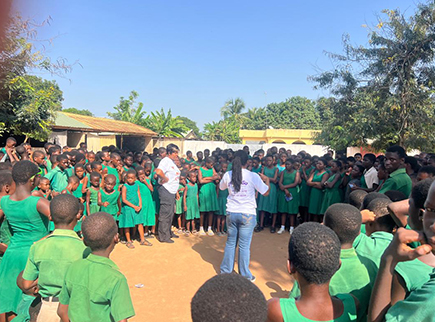
The Planned Parenthood Association of Ghana (PPAG), with funding support from the United Nations Population Fund (UNFPA), has rolled out a Youth Open Day initiative under the Adolescent Girl Empowerment Programme Services, to improve access to Sexual and Reproductive Health (SRH) services for young people.
The initiative, dubbed “Youth Open Day: The Clinic Is Yours,” targets adolescents aged 10 to 19 years and aims at making reproductive health services more youth-friendly and accessible within selected health facilities.
The programme is being implemented in five districts, with one health facility selected in each district to host the Youth Open Day.
Mr Christopher Makam, the Volta Regional Focal Person for the UNFPA Adolescent Girl Empowerment Programme Services in Ghana, said the activity formed part of a broader collaboration between UN Agency and the Government of Ghana, implemented by PPAG.
He explained that although the programme’s title appeared female-focused, adolescent boys were equally included in all activities.
“The programme is inclusive. Both adolescent girls and boys are beneficiaries, and our interventions are designed to address the reproductive health needs of young people holistically,” Mr Makam stated.
He noted that cultural barriers and fear of judgement had discouraged many adolescents from seeking professional reproductive health services, causing them to rely on peers for information, which often resulted in misinformation and unhealthy outcomes.
He stated that the Youth Open Day was designed to bridge that gap by familiarising adolescents with health facilities and health workers in a safe, non-judgmental environment.
“As part of the activity, young people are taken through various units of the health facility to understand what happens at each section and the ethics guiding service delivery.
“This helps them realise that the clinic truly belongs to them and that health workers are approachable and youth-friendly,” he said.
Mr Makam added that the initiative also created space for health workers to better understand adolescents and respond appropriately to their SRH needs.
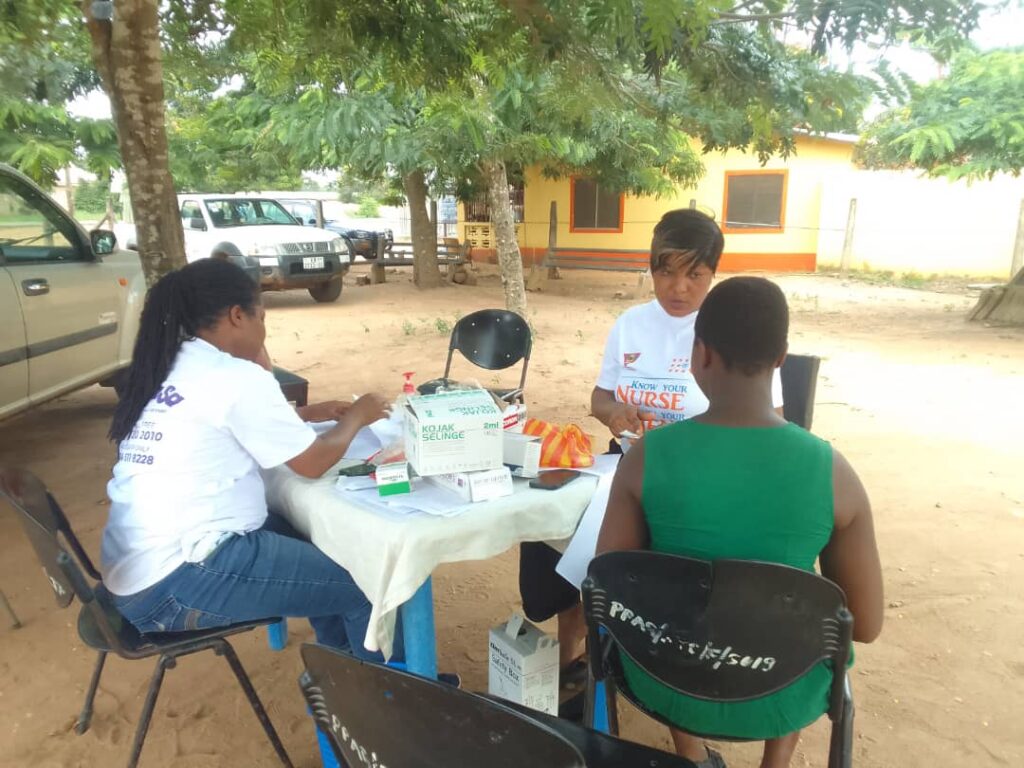
He said participants were sensitised on key reproductive health issues and provided with free Sexual and Reproductive Health and Rights (SRHR) services, including screening and treatment for Sexually Transmitted Infections (STIs).
He appealed to corporate organisations, NGOs and other stakeholders to support similar initiatives, noting that though some vulnerable groups outside the target age bracket also exhibited symptoms of STIs but could not be enrolled for treatment because of programme limitations.
“With additional support, we can expand these services to reach more people in our communities and contribute to better reproductive health outcomes,” he added.
Ms Rachel Nutifafa, one of the facilitators, who engaged some students in South Tongu as part of the initiative, noted that the timing of the programme was strategic, as many schools were on break, making it easier to reach adolescents within the community, including those who passed by the clinic.
She stressed the critical role parents played in the healthy development of adolescents and urged them to engage openly with their children on sexual and reproductive health issues.
“Parental guidance and open communication are key. Parents should be approachable so that adolescents can freely share their challenges and seek early medical attention rather than resorting to self-medication,” she said.
Ms Nutifafa also advised sexually active adolescents to abstain, but encouraged those unable to do so to consistently use condoms to prevent STIs and unplanned pregnancies.